
Epoxy flake flooring is a popular flooring option for homes, garages, shops, offices, workshops and other busy spaces. It gives the floor a clean, decorative finish while creating a strong surface that is easier to maintain.
But how does epoxy flake flooring work?
It is not simply a matter of putting epoxy and flakes on the floor. A proper epoxy flake flooring system usually involves several steps, including floor preparation, repairs, primer, epoxy coating, decorative flakes and a protective topcoat.
In this guide, we will explain how epoxy flake flooring works, what happens during installation, what affects the final result and how to maintain the finished floor.
What Is Epoxy Flake Flooring?
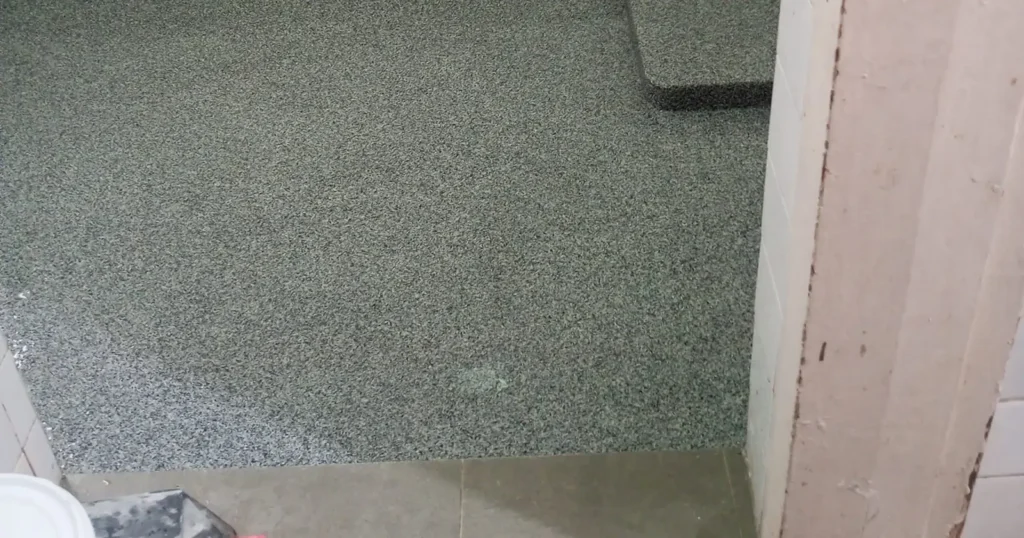
Epoxy flake flooring is a multi-layer flooring system made using epoxy coating and decorative flakes.
The epoxy creates the main coating on the floor. Decorative flakes are then broadcast into the wet epoxy surface. Once the coating has cured, the loose flakes are removed and a clear protective topcoat is applied.
The result is a decorative, seamless-looking floor with a textured appearance.
The flakes are available in different colours, sizes and combinations. This means you can choose a finish that suits a garage, commercial space, workshop or other property.
How Does Epoxy Flake Flooring Work?
The basic epoxy flake flooring work can be explained in a simple sequence:
Inspect → Prepare → Repair → Prime → Apply Epoxy → Broadcast Flakes → Scrape → Apply Topcoat → Cure
Each step is important. If the floor is not prepared properly, even a good epoxy product may not perform as expected.
Let’s look at each stage.
1. Inspecting the Existing Floor
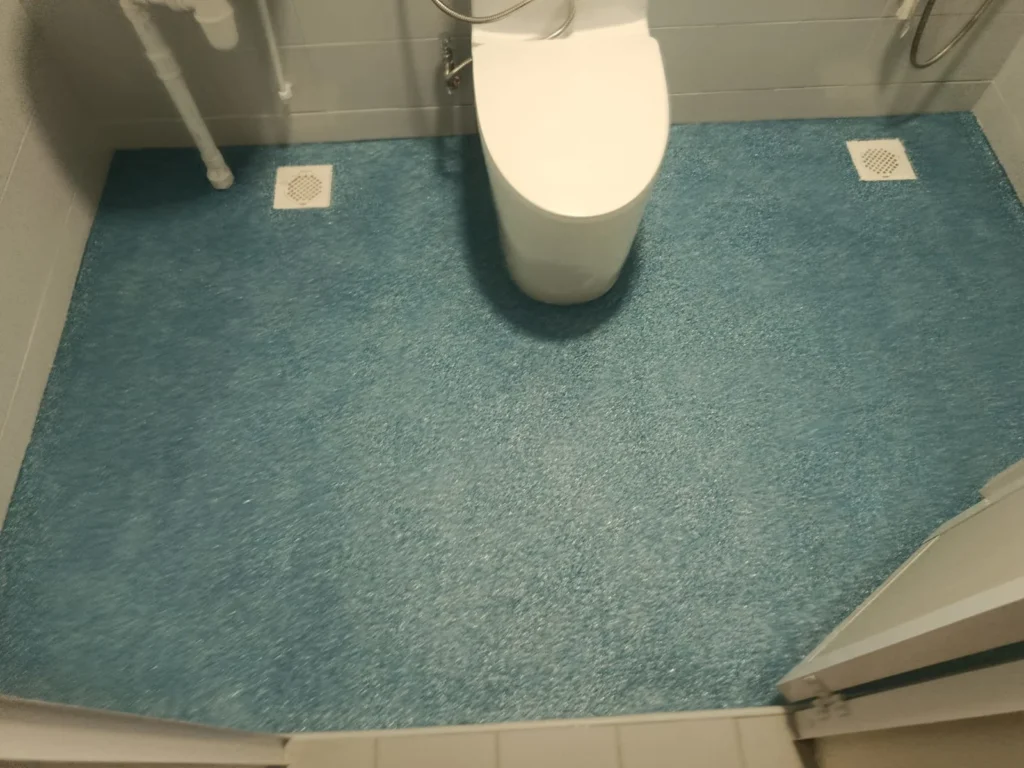
Before any epoxy material is applied, the existing floor should be inspected.
The installer needs to check the condition of the surface and identify problems such as:
- Cracks
- Holes
- Uneven areas
- Loose material
- Oil or grease
- Existing coatings
- Dirt and contamination
- Possible moisture issues
The condition of the existing floor helps determine how much preparation and repair work is required.
A floor that looks fine at first may still require preparation before epoxy can be installed properly.
2. Preparing the Floor
Floor preparation is one of the most important parts of epoxy flake flooring work.
The surface needs to be clean, sound and suitable for the epoxy coating.
Depending on the condition of the floor, preparation may include mechanical grinding, cleaning and removing old coatings, dirt, grease or other contaminants.
The goal is to create a suitable surface so the epoxy can bond properly.
Poor preparation can lead to problems such as peeling, bubbling or poor adhesion later.
3. Repairing Cracks and Damaged Areas
Existing cracks, holes and damaged areas should be addressed before the coating system is installed.
If the floor has uneven areas, additional floor preparation or levelling may also be required.
This step is important because epoxy coating does not automatically fix every problem underneath it.
The final floor can only be as good as the surface it is applied to.
4. Applying the Epoxy Primer
Once the floor has been prepared, an epoxy primer may be applied.
The primer helps create a strong bond between the prepared floor and the epoxy system.
It also provides a suitable base for the following coating layers.
The exact primer and application method depend on the floor condition and the epoxy system being used.
5. Applying the Epoxy Base Coat
After the primer, the epoxy base coat is applied across the prepared floor.
This layer forms the foundation for the decorative flakes.
The epoxy needs to be mixed and applied correctly according to the product requirements. The coating should be distributed evenly across the surface.
While the epoxy is still in the appropriate working stage, the decorative flakes can be applied.
6. Broadcasting the Decorative Flakes
This is the step that gives epoxy flake flooring its distinctive appearance.
Decorative flakes are broadcast over the wet epoxy surface.
The flakes stick to the coating and become part of the flooring system.
Different flake colours and combinations can create different looks. Some floors use subtle colour blends, while others use stronger contrasts.
The amount of flakes used can also affect the final appearance.
7. Scraping and Smoothing the Surface
After the epoxy and flakes have set sufficiently, the surface can be scraped and smoothed.
Loose flakes are removed and the surface is prepared for the next stage.
This helps create a more consistent finished surface before the protective topcoat is applied.
The exact method depends on the flooring system and the finish required.
8. Applying the Clear Topcoat
The final protective topcoat is an important part of epoxy flake flooring work.
It seals the decorative flakes and provides the finished surface.
The topcoat can help protect the flooring from everyday wear, stains and regular use.
The type of topcoat used depends on the project requirements, expected traffic and desired finish.
Without the correct finishing layer, the flooring system may not provide the appearance and performance expected from a professionally installed epoxy flake floor.
9. Allowing the Floor to Cure
After the final coating has been applied, the floor needs time to cure.
Curing is different from simply allowing the surface to become dry to the touch.
The floor may need additional time before normal foot traffic, furniture or heavy loads are allowed.
The actual curing time depends on the products used, temperature, site conditions and the specific flooring system.
Following the recommended curing period helps protect the new floor during its early stages.
What Makes Epoxy Flake Flooring Work Properly?
A successful epoxy flake floor is not based on the epoxy material alone.
Several factors affect the final result:
Proper Surface Preparation
The floor needs to be properly prepared before coating.
Correct Repairs
Cracks, holes and other surface problems should be addressed where required.
Suitable Materials
The primer, epoxy coating, flakes and topcoat should be suitable for the intended application.
Correct Application
Mixing, spreading and curing need to follow the requirements of the flooring system.
Experienced Workmanship
Installation quality can have a major effect on the appearance and performance of the finished floor.
This is why choosing a contractor based only on the cheapest quotation may not always be the best approach.
What Are Epoxy Flakes Made Of?
Epoxy flakes are decorative chips designed to be broadcast into an epoxy coating.
They are available in different:
- Colours
- Sizes
- Shapes
- Colour blends
- Coverage levels
You can choose a flake combination based on the appearance you want.
For example, neutral blends can create a simple and professional appearance, while stronger colour combinations can create a more noticeable decorative finish.
Why Choose Epoxy Flake Flooring?
Understanding how epoxy flake flooring works also explains why many property owners choose this system.
Durable Surface
The multi-layer system creates a strong coated surface suitable for many everyday applications.
Easy to Clean
The finished surface is generally easy to sweep and clean when properly installed and maintained.
Decorative Appearance
Decorative flakes provide more visual depth than a plain epoxy coating.
Helps Hide Minor Imperfections
The flake pattern can help make minor visual imperfections less noticeable.
Customisable
Different flake colours and blends can be selected to match the space.
Suitable for Different Properties
Epoxy flake flooring can be considered for residential, commercial and selected industrial applications depending on the site requirements.
Where Does Epoxy Flake Flooring Work Best?
Epoxy flake flooring can be used in many different spaces.
Residential Spaces
It may be suitable for:
- Garages
- Workshops
- Utility areas
- Selected indoor areas
- Home workspaces
Commercial Spaces
It can be considered for:
- Retail shops
- Showrooms
- Offices
- Restaurants
- Service areas
Industrial Spaces
Depending on the required specifications, epoxy flooring systems can also be used in:
- Warehouses
- Workshops
- Factories
- Work areas
The correct flooring system should always be selected based on the actual environment and expected usage.
Does Epoxy Flake Flooring Work on Every Floor?
Not every existing floor is immediately ready for epoxy coating.
The substrate needs to be assessed before installation.
Concrete is a common surface for epoxy flooring, but the existing condition is important.
Problems such as:
- Moisture
- Cracks
- Contamination
- Loose material
- Uneven surfaces
- Existing coatings
may require additional work before the epoxy system can be installed.
If you are unsure whether your existing floor is suitable, a professional site assessment can help determine the required preparation.
How Long Does Epoxy Flake Flooring Work Take?
There is no single installation time for every project.
The duration depends on:
- Floor size
- Existing floor condition
- Amount of preparation required
- Crack or damage repairs
- Number of coating layers
- Product curing requirements
- Site conditions
A small, well-prepared floor may require less work than a large floor with extensive damage or preparation requirements.
For this reason, it is better to assess the actual floor before confirming an installation schedule.
How Long Does Epoxy Flake Flooring Last?
The lifespan of an epoxy flake floor depends on several factors.
These include:
- Quality of surface preparation
- Materials used
- Installation workmanship
- Traffic levels
- Type of usage
- Exposure to chemicals or heavy loads
- Cleaning and maintenance
Proper installation and suitable maintenance can help the flooring remain in good condition for longer.
Common Problems With Epoxy Flake Flooring
While epoxy flake flooring can be a durable flooring system, installation problems can affect the final result.
Peeling
Peeling can be associated with poor adhesion or inadequate surface preparation.
Bubbling
Bubbles may occur when moisture or other installation issues affect the coating.
Cracking
Cracks in the substrate can affect the finished coating if they are not properly addressed.
Uneven Flakes
Poor broadcasting technique can result in an inconsistent decorative appearance.
Discolouration
The wrong product, environmental exposure or other factors can affect the colour over time.
Poor Adhesion
If the surface is contaminated or not prepared correctly, the epoxy may not bond as expected.
This is why proper epoxy flake flooring work starts long before the first coat of epoxy is applied.
How to Maintain Epoxy Flake Flooring
Once your epoxy flake floor is installed, regular cleaning can help keep it looking good.
Simple maintenance includes:
- Sweep the floor regularly
- Remove dirt and debris
- Clean spills promptly
- Mop using suitable cleaning products
- Avoid unsuitable harsh chemicals
- Avoid unnecessary heavy impact
- Address damage early
Regular maintenance is generally much easier when the floor has been properly installed from the beginning.
Epoxy Flake Flooring vs Regular Epoxy Flooring
Both systems use epoxy, but their appearance is different.
| Feature | Epoxy Flake Flooring | Standard Epoxy Flooring |
| Decorative flakes | Yes | Usually no |
| Appearance | Decorative and multi-coloured | Plain and uniform |
| Colour options | Multiple blends | Usually single or simple colours |
| Surface design | Flake pattern | Solid coating |
| Cleaning | Easy with proper maintenance | Easy with proper maintenance |
| Applications | Residential and commercial | Residential, commercial and industrial |
The better option depends on the appearance, usage and performance requirements of the space.
Related service: [Internal Link: Epoxy Flooring Contractor in Singapore]
How Much Does Epoxy Flake Flooring Cost?
The cost of epoxy flake flooring varies from project to project.
Some of the main factors include:
- Total floor area
- Existing floor condition
- Surface preparation
- Crack and damage repairs
- Floor levelling
- Primer requirements
- Epoxy system selected
- Flake coverage
- Topcoat
- Labour
A very low quotation may not always include the same scope of work as another contractor’s quotation.
Before comparing prices, check what is included in the quotation.
A clear quotation should explain the major preparation, materials and installation work involved.
How to Choose an Epoxy Flake Flooring Contractor
Choosing the right installer is just as important as choosing the flooring material.
Before hiring a contractor, consider asking:
Is surface preparation included?
Ask whether grinding, cleaning and other preparation work are included.
Are repairs included?
Find out whether cracks, holes or damaged areas will be repaired before coating.
What coating system will be used?
Ask about the primer, epoxy base coat, decorative flakes and topcoat.
What finish can I expect?
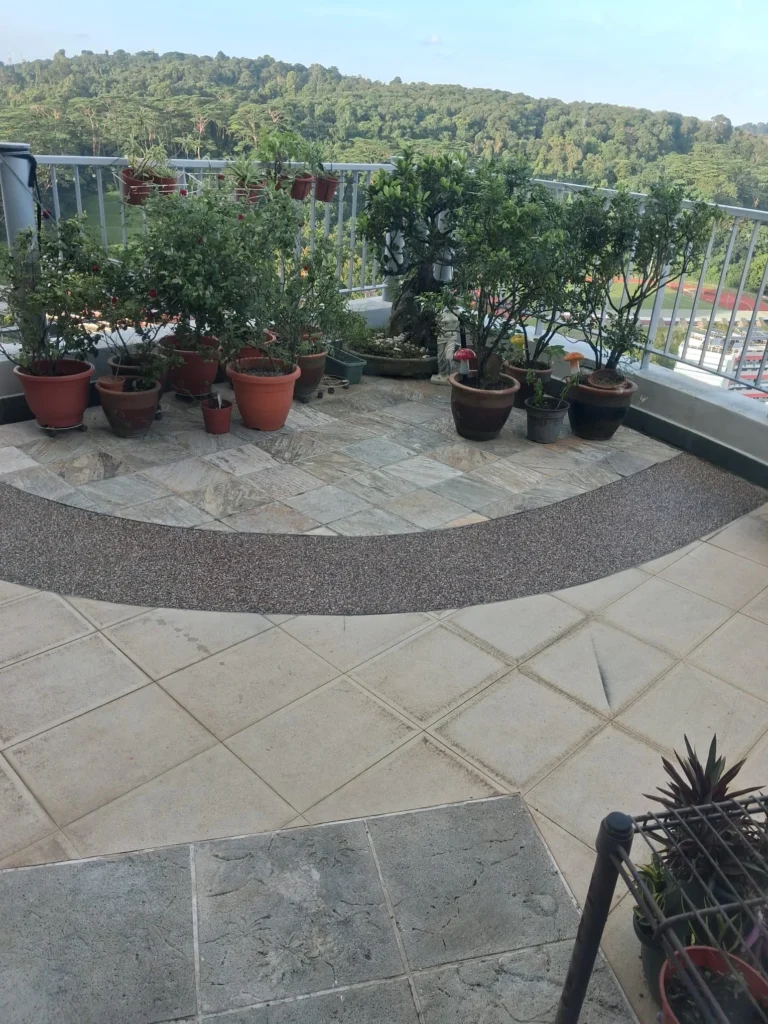
Ask to see previous completed projects where possible.
Is the quotation clear?
Make sure you understand exactly what you are paying for.
Is there a workmanship warranty?
A workmanship warranty can provide additional peace of mind.
Do not compare contractors based only on the lowest price. Compare the complete scope of work, materials, preparation and workmanship.
Epoxy Flake Flooring Work: The Complete Process
To summarise, professional epoxy flake flooring work generally follows this process:
1. Floor Inspection
↓
2. Surface Preparation
↓
3. Crack & Damage Repair
↓
4. Primer Application
↓
5. Epoxy Base Coat
↓
6. Decorative Flake Broadcasting
↓
7. Scraping & Smoothing
↓
8. Protective Topcoat
↓
9. Curing
↓
10. Final Inspection
Every stage contributes to the final appearance and performance of the floor.
Frequently Asked Questions
How does epoxy flake flooring work?
Epoxy flake flooring works by applying a prepared base coating, broadcasting decorative flakes into the wet epoxy and sealing the flakes with a protective topcoat. The floor must be properly prepared before the coating system is applied.
Is epoxy flake flooring durable?
It can provide a durable flooring surface when the correct system is selected and installed properly. Surface preparation, material quality and workmanship all affect the result.
Is epoxy flake flooring slippery?
The slip resistance depends on the flooring system, texture and finish selected. If slip resistance is important, discuss the requirement with your flooring contractor before installation.
Can epoxy flake flooring be installed over tiles?
It may be possible in some situations, but the existing tiles and substrate need to be assessed first. Preparation and adhesion requirements must be considered.
How long does epoxy flake flooring take to install?
The installation time depends on floor size, surface condition, preparation, repairs and curing requirements. A site assessment is the best way to determine the expected timeline.
How long does epoxy flake flooring last?
Its service life depends on the substrate, preparation, materials, installation quality, traffic and maintenance.
Can I choose the colour of the epoxy flakes?
Yes. Decorative flakes are available in different colours and blends, allowing you to select a finish that suits your space.
Is epoxy flake flooring easy to clean?
A properly finished epoxy flake floor is generally easy to clean and maintain with regular sweeping and suitable cleaning methods.
Does epoxy flake flooring hide floor imperfections?
The decorative flake pattern can help make some minor visual imperfections less noticeable. However, major cracks, holes or uneven areas should be addressed before installation.
Final Thoughts
Understanding how epoxy flake flooring works helps you see why the installation process matters.
It is not simply epoxy mixed with decorative flakes. A proper system involves inspection, surface preparation, repairs where needed, primer, epoxy coating, decorative flakes, smoothing, a protective topcoat and adequate curing.
If you are considering epoxy flake flooring, start by checking the condition of your existing floor. The right preparation and flooring system can make a significant difference to the final result.
Thinking about installing epoxy flake flooring?
Get your floor assessed and find out what preparation and coating system your property needs before starting the work.
Request a site assessment and quotation today.