
Epoxy grouting is a popular option for homeowners who want cleaner, more durable tile joints in bathrooms, kitchens and other tiled areas. It uses a resin-based grout to fill the gaps between tiles, helping improve resistance to stains, moisture and everyday dirt.
But how does epoxy grouting work, and is it suitable for your home in Singapore?
The process involves preparing the tile joints, mixing the epoxy grout components, applying the material, removing excess grout and allowing it to cure. Proper preparation and cleaning are essential because epoxy grout can harden quickly and may leave difficult-to-remove residue if handled incorrectly.
In this guide, you will learn how epoxy grouting works, its benefits, the installation process, how it compares with cement grout, and what to consider before hiring an epoxy grouting contractor in Singapore.
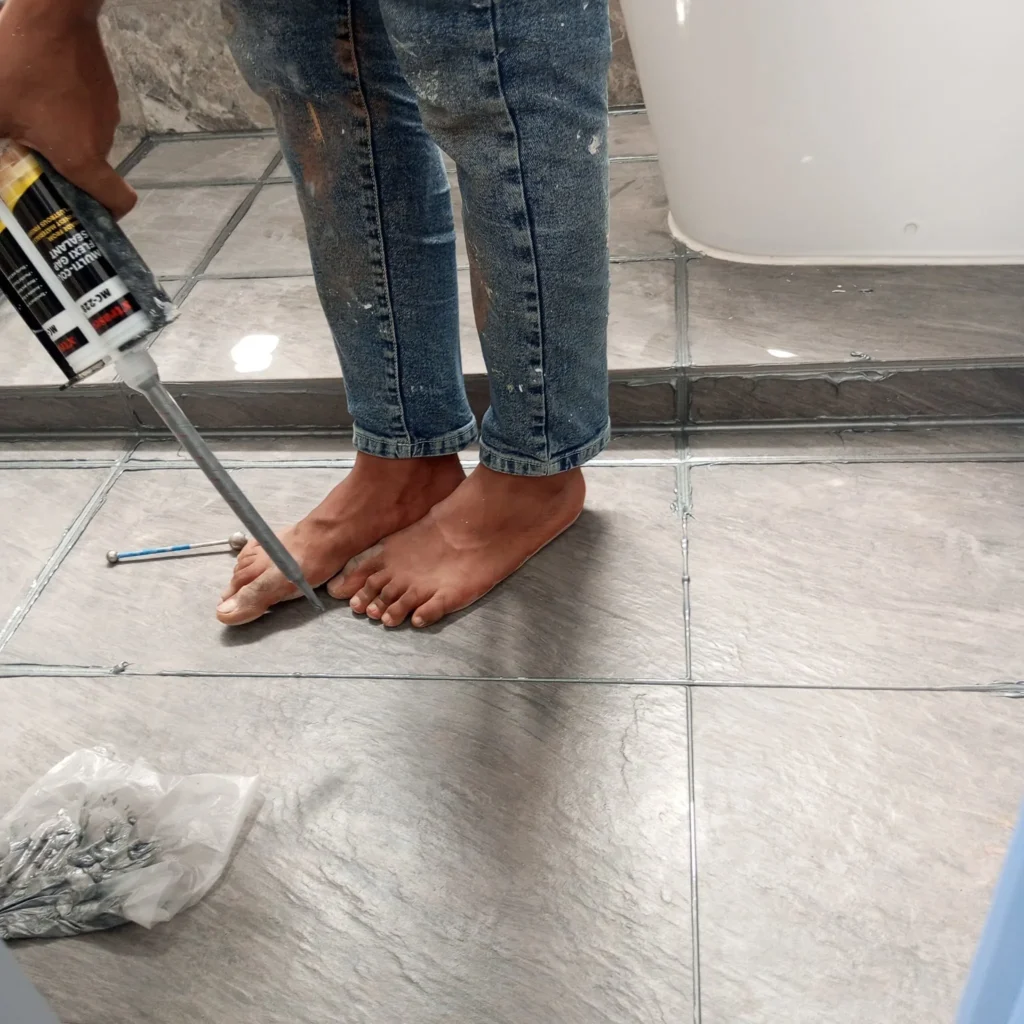
What Is Epoxy Grouting?
Epoxy grouting is the process of filling the joints between tiles with an epoxy-based grout. Unlike traditional cement grout, epoxy grout uses resin and a hardener to create a dense, durable material after curing.
It is commonly used for ceramic and porcelain tiles in bathrooms, kitchens and other areas where resistance to stains, moisture or cleaning chemicals is important. Some epoxy grout products are also suitable for natural stone and commercial environments, depending on the manufacturer’s specifications.
In Singapore, epoxy grouting may be considered for HDB flats, condominiums, landed properties, restaurants and commercial premises with tiled surfaces.
What Is Epoxy Grout Made Of?
Most two-component epoxy grouts contain an epoxy resin component and a hardener. They may also include fillers, pigments and other ingredients that affect the grout’s colour, texture and performance.
When the components are combined according to the manufacturer’s instructions, a chemical reaction begins. The mixture gradually hardens into a strong material that fills the spaces between tiles.
This curing process is what gives epoxy grout its characteristic durability and resistance to many common stains.
How Is Epoxy Grout Different from Regular Grout?
Traditional cement grout mainly uses cement-based materials mixed with water or other specified additives. Epoxy grout relies on a resin-based system.
The main difference is how the materials harden and perform after installation.
Cement grout is often more economical and is widely used in residential tiling. Epoxy grout generally offers lower water absorption and better resistance to many stains and chemicals. However, epoxy grout usually requires more careful application and cleaning.
The right choice depends on the tile type, joint width, location, expected exposure and project budget.
Where Is Epoxy Grouting Commonly Used in Singapore?
Epoxy grouting may be suitable for several types of tiled areas.
- HDB bathrooms: For tile joints exposed to regular washing and moisture.
- Condominium toilets: To help maintain cleaner-looking grout lines.
- Kitchen floors and backsplashes: Where food stains and frequent cleaning are concerns.
- Commercial kitchens and restaurants: Where suitable products may provide the required hygiene and chemical resistance.
- Retail and commercial premises: For selected tiled floors that experience regular foot traffic.
- Other tiled areas: Where the tile and grout manufacturer confirms that epoxy grout is suitable.
Not every tile joint requires epoxy grout. A professional assessment can help determine whether it is suitable for the existing tiles and site conditions.
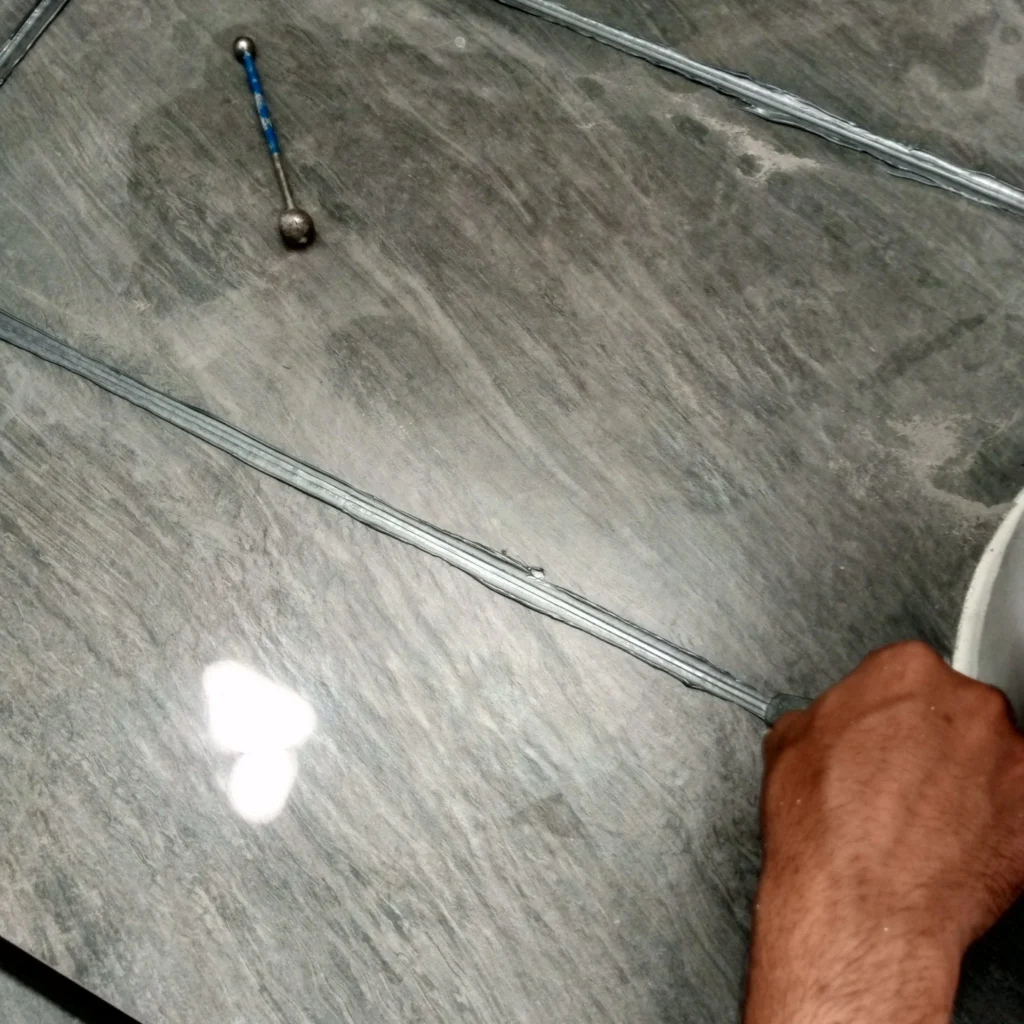
How Does Epoxy Grouting Work?
Epoxy grouting works by filling the gaps between tiles with a resin-based material that hardens through a chemical curing reaction. Once cured, the grout forms a dense joint that helps resist stains, moisture absorption and everyday wear.
For existing tiled floors or walls, the process may involve removing old grout before installing the new material. The exact method depends on the condition of the joints, the type of tile and the selected grout product.
Step 1: Inspect the Tiles and Existing Grout
The first step is to inspect the tiled surface.
A contractor checks whether the existing grout is cracked, loose, stained or deteriorating. The tiles should also be examined for movement, cracks, hollow sounds or other signs of damage.
This inspection matters because grout problems are not always caused by the grout itself. Loose tiles, movement in the substrate, plumbing leaks or waterproofing failures may require additional repairs.
Before starting the work, the contractor should identify the affected areas and confirm whether epoxy grouting is an appropriate solution.
Step 2: Remove Damaged or Loose Grout
If the existing grout needs replacement, the damaged material may need to be removed from the tile joints.
Suitable tools are used to remove the old grout carefully without chipping the tile edges or damaging the surrounding surface.
The required removal depth depends on the grout product and the condition of the existing joints. Simply spreading new grout over a dirty or unsuitable surface may result in poor bonding or an unsatisfactory finish.
If the existing grout is firmly bonded and the project involves new tiling, the preparation requirements may be different.
Step 3: Clean and Prepare the Tile Joints
After grout removal, the joints must be cleaned thoroughly.
Dust, loose particles, grease and other contaminants can affect the quality of the finished work. The surface must be prepared according to the selected product’s instructions.
Moisture requirements also vary by product. Some systems require clean, dry joints, while others may permit different conditions. The contractor should follow the manufacturer’s technical guidelines rather than assume every epoxy grout has the same requirements.
Proper preparation helps the new grout fill the joints evenly and achieve the intended performance.
Step 4: Mix the Epoxy Resin and Hardener
Many epoxy grouts come in two components that must be combined before application.
The components are mixed in the specified proportions until the mixture is consistent. Some products are supplied in pre-measured packs, which helps reduce mixing errors.
Once mixing begins, the grout has a limited working time. This is the period during which the material can be applied and cleaned before it becomes too difficult to handle.
For this reason, contractors generally need to plan the work carefully and prepare manageable quantities. Adding extra water or changing the mixing ratio without manufacturer approval can affect the final result.
Step 5: Apply Epoxy Grout Between the Tiles
The mixed grout is pressed into the tile joints using a suitable rubber grout float or the tool specified by the manufacturer.
The contractor works the material into the gaps to minimise voids and ensure the joints are filled properly. Excess material is removed from the tile surface as the work progresses.
Consistent application is important for both appearance and performance. Empty sections, uneven joints or poorly filled gaps can affect the finished result.
Textured tiles and natural stone may require special care because excess resin can become trapped in surface recesses.
Step 6: Remove Excess Grout and Clean the Tile Surface
Cleaning is one of the most important parts of epoxy grouting.
Unlike some cement grouts, epoxy grout can leave a sticky resin film if residue is not removed at the correct time. Once the material hardens, removing that residue may become difficult.
The contractor follows the product’s recommended cleaning method, which may involve a suitable scrubbing pad, sponge and specified cleaning solution or water.
The cleaning process must be completed within the product’s working window. The contractor should also avoid spreading resin residue back over the tiles when changing or reusing cleaning water.
A final inspection helps identify visible residue, uneven joints and other finishing issues before the grout becomes fully hardened.
Step 7: Allow the Epoxy Grout to Cure
After application and cleaning, the grout needs time to cure.
During curing, the resin and hardener react to form the hardened grout material. The time required depends on the product, temperature and site conditions.
Some products permit light foot traffic after approximately 24 hours, while full service or exposure to certain chemicals may require several days. These are product-specific examples, not universal rules.
For instance, Mapei’s Kerapoxy product information lists approximately 24 hours before light foot traffic and four days before the surface is ready for use under its stated conditions.
Always follow the selected product’s instructions before walking on the floor, washing the tiles or using the bathroom.
Why Does Epoxy Grout Work Differently from Cement Grout?
The main difference comes from the materials used and how they harden.
Cement grout hardens through cement hydration. Epoxy grout hardens through a chemical reaction between its resin and hardener components.
This difference affects water absorption, stain resistance, cleaning requirements and installation methods.
How Epoxy Resin Forms a Dense Tile Joint
When the resin and hardener react, the mixture forms a solid material that fills the space between tiles.
The cured grout generally has low water absorption compared with conventional cement grout. This makes it useful in areas where frequent moisture exposure and staining are concerns.
However, the quality of the finished joint still depends on correct mixing, suitable preparation, proper application and adequate curing.
Why Epoxy Grout Resists Water and Stains
The dense structure of cured epoxy grout makes it more resistant to water absorption and many common stains than ordinary cement grout.
This can make cleaning easier in areas exposed to soap, food spills and routine household dirt.
However, resistance does not mean that the surface can never become dirty. Dirt, soap deposits and residue can still accumulate on grout lines and require cleaning.
Epoxy grout also does not automatically waterproof the entire floor or wall assembly.
How Epoxy Grout Helps Reduce Grout Maintenance
Because epoxy grout absorbs less water and resists many stains, it may require less intensive maintenance than conventional cement grout.
For homeowners, this can mean less effort spent removing stubborn discolouration from tile joints.
Regular cleaning is still necessary. The results also depend on the product used, installation quality, the surrounding sealants and the conditions in the tiled area.
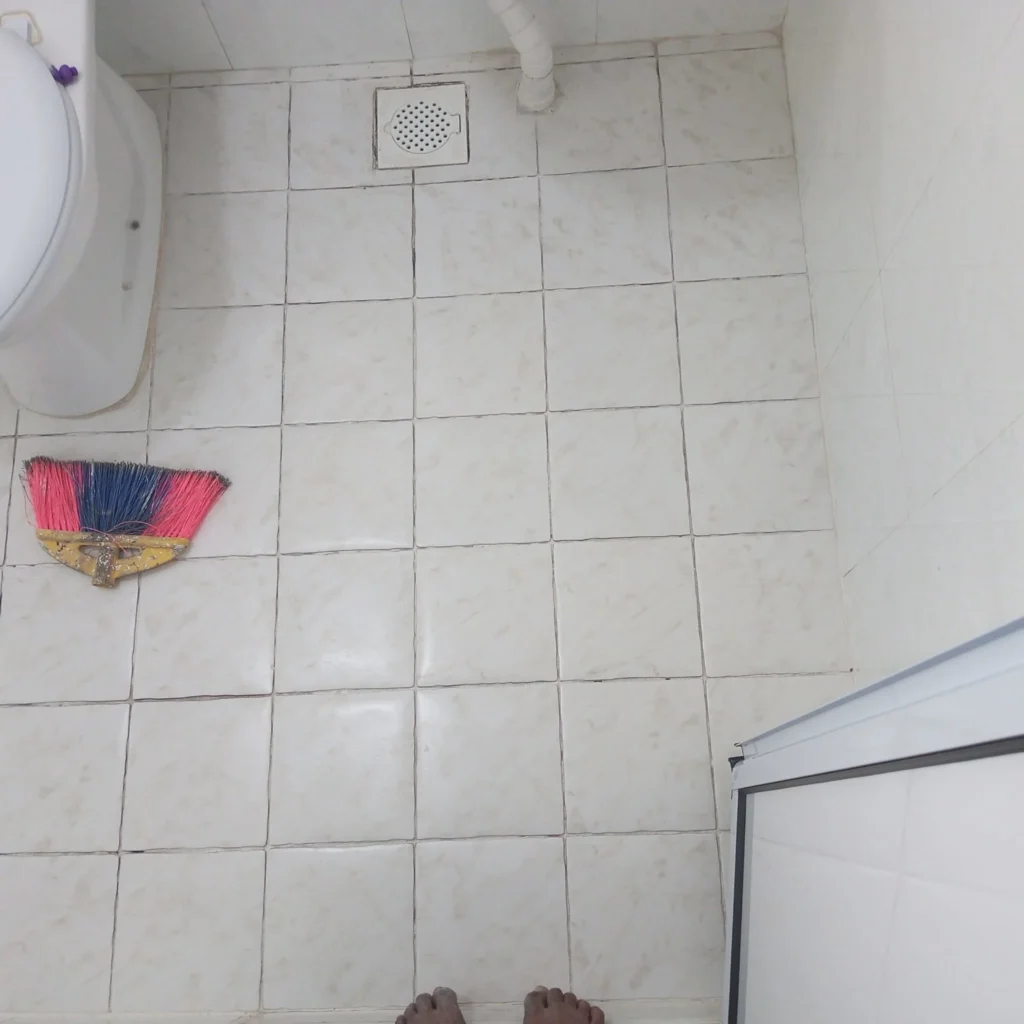
What Are the Benefits of Epoxy Grouting?
Epoxy grouting offers several practical advantages for suitable tiled areas. Its main benefits are related to stain resistance, low water absorption, durability and ease of routine cleaning.
Better Resistance to Moisture
Epoxy grout generally absorbs less water than conventional cement grout. This can make it suitable for bathrooms, kitchens and other tiled areas exposed to regular moisture.
However, water may still pass through cracks, movement joints, defective sealants or other parts of a poorly constructed tiled assembly.
For that reason, epoxy grout should not be treated as a substitute for a properly installed waterproofing system.
Improved Stain Resistance
Food spills, soap deposits and everyday dirt can discolour conventional grout over time.
Epoxy grout is generally more resistant to many common stains, helping the tile joints maintain a cleaner appearance.
The actual level of resistance depends on the product and the substances involved. Strong chemicals, unsuitable cleaning methods or prolonged contamination may still affect the surface.
Easier Routine Cleaning
A dense grout surface can be easier to clean because it absorbs less water and is less prone to certain types of staining.
Routine cleaning with a product-compatible cleaner can help remove everyday dirt before it builds up.
Always check the manufacturer’s cleaning recommendations, especially when using acidic cleaners, abrasive tools or strong chemicals.
Durable Tile Joints
When installed correctly, epoxy grout can provide durable joints for suitable applications.
It is often considered for areas that experience regular cleaning or exposure to substances that may stain ordinary grout.
However, epoxy grout is not immune to damage. Building movement, tile movement, incorrect installation or unsuitable joint design can still lead to cracking or failure.
A Cleaner and More Consistent Tile Finish
Epoxy grout is available in different colours, allowing homeowners to coordinate the joints with their tiles.
A well-executed installation can create a neat and consistent finish across bathroom floors, kitchen walls and other tiled surfaces.
The final appearance depends on the product, application technique, cleaning process and the condition of the tiles.
Epoxy Grout vs Cement Grout: What Is the Difference?
Epoxy grout and cement grout are both used to fill the gaps between tiles, but they have different properties and installation requirements.
| Feature | Epoxy grout | Cement grout |
| Main material | Epoxy resin and hardener | Cement-based mixture |
| Water absorption | Generally very low | Usually higher, depending on formulation |
| Stain resistance | Generally better | Varies by product and maintenance |
| Chemical resistance | Often higher for suitable products | Generally more limited |
| Cleaning | Can be easier after curing | May require more effort for stubborn stains |
| Installation | Requires careful timing and cleaning | Often easier for routine installation |
| Cost | Usually more expensive | Generally more economical |
| Best suited for | Areas needing strong stain or chemical resistance | Many standard residential tiling applications |
The comparison is general. Modern cement grouts can also offer improved water repellency and stain resistance, so the exact product specifications should always be checked.
Differences in Material and Composition
Epoxy grout uses resin-based components that react and harden. Cement grout relies on a cement-based mixture that hardens through hydration.
This difference affects how the grout is mixed, applied, cleaned and maintained.
Water and Stain Resistance
Epoxy grout generally offers lower water absorption and better resistance to many stains.
Cement grout can still perform well when the correct product is selected and installed properly. Some formulations also offer enhanced water-repellent properties.
Cleaning and Maintenance Requirements
Epoxy grout is often easier to maintain in areas where stains are a concern.
Cement grout may need more attention if it becomes heavily stained or absorbs contaminants. Both types require suitable cleaning and regular inspection.
Installation Difficulty and Cost
Epoxy grout can be more demanding to install because the working time is limited and surface residue must be removed carefully.
The material and labour costs may also be higher than those for conventional cement grout. The actual cost depends on the site, product and preparation required.
Which Type of Grout Is Best for Your Property?
Choose based on the location, cleaning requirements, budget and expected exposure.
For example, epoxy grout may be worth considering for a kitchen backsplash that is exposed to frequent food splashes. Cement grout may be sufficient for another tiled area with less demanding conditions.
For bathrooms, the decision should also consider the existing waterproofing system and the condition of the tile joints.
When Should You Consider Epoxy Grouting?
Epoxy grouting may be useful when existing tile joints are stained, deteriorating or difficult to maintain, provided the tiles and surrounding structure are suitable.
Before replacing the grout, identify the underlying cause of the problem. A new grout installation will not resolve every tile or water-related issue.
Black or Stained Grout Lines
Dark grout lines may result from dirt, soap deposits, moisture-related staining or other contaminants.
If cleaning does not restore the appearance, regrouting may be an option when the existing material is unsuitable or deteriorating.
However, black staining can have different causes. Check for persistent moisture, poor ventilation and other underlying issues before deciding on the repair.
Cracked or Deteriorating Grout
Cracked, loose or missing grout should be inspected before new material is applied.
The cause may be normal wear, poor installation, movement or a problem with the tiles beneath the surface.
If the tiles are stable and the joints are suitable, removing the damaged grout and replacing it may help restore the finish. If tiles are moving or loose, those problems should be addressed first.
Grout That Is Difficult to Clean
Some grout lines become difficult to maintain because of staining, surface deterioration or repeated contamination.
Epoxy grout may offer better resistance to many common stains, making it a useful option for suitable areas.
It is still important to choose a grout that matches the tile material and joint requirements.
Bathroom and Kitchen Tile Joint Maintenance
Bathrooms and kitchens are exposed to moisture, cleaning products and frequent use.
Epoxy grouting may be considered when homeowners want tile joints that are easier to maintain and more resistant to staining.
For Singapore homes, the suitability of the grout should be assessed alongside ventilation, plumbing, waterproofing and the condition of the tiles.
Can Epoxy Grouting Stop Bathroom Water Leakage?
Epoxy grout can resist water absorption, but it cannot guarantee that a leaking bathroom will become waterproof.
Water leakage may originate from damaged waterproofing membranes, plumbing defects, cracked tiles, failed sealants or other parts of the building assembly.
Replacing the grout alone may not solve these problems.
When Regrouting May Help
Regrouting may be appropriate when the existing grout is cracked, missing or deteriorating and the underlying tiles and waterproofing remain in suitable condition.
A professional can inspect the joints and recommend whether grout replacement is appropriate.
The work may improve the condition of the tile joints, but it should not be presented as a guaranteed leak repair.
When Waterproofing Repair Is Necessary
If water continues to seep through the floor, appears on the ceiling below, or causes persistent dampness, further investigation may be necessary.
The cause could involve a failed waterproofing membrane or another hidden defect.
In these cases, the appropriate repair may require waterproofing work, plumbing repairs or more extensive tile repairs rather than simply applying new grout.
When Loose or Hollow Tiles Need Further Inspection
Loose or hollow-sounding tiles may indicate a problem with the tile adhesive, substrate or installation.
Grout replacement cannot restore a secure bond between a tile and its underlying surface.
The tiles should be assessed before regrouting. Any necessary repairs should be completed before the new grout is applied.
How Long Does Epoxy Grouting Take to Cure?
Epoxy grout curing time depends on the product, temperature and installation conditions.
Some products allow light foot traffic after approximately 24 hours, while full use or exposure to certain chemicals may require several days. Always follow the product-specific instructions.
Working Time vs Setting Time vs Full Cure
These terms describe different stages of the process.
- Working time: How long the mixed grout remains workable for application.
- Setting time: The period during which the grout begins to harden.
- Full cure: The stage when the grout has developed the properties specified by the manufacturer.
The grout may feel hard before it is ready for every type of use. Do not assume that a firm surface can immediately withstand heavy traffic, standing water or cleaning chemicals.
When Can You Walk on Newly Grouted Tiles?
The waiting period depends on the selected product.
For example, Mapei lists approximately 24 hours before light foot traffic for its Kerapoxy product under the stated conditions.
Other products may have different requirements. Confirm the instructions before walking on newly grouted floors.
When Can You Use the Bathroom or Wash the Floor?
Wait until the grout has reached the stage specified by the manufacturer before exposing it to water or cleaning products.
The required time may differ from the time needed for light foot traffic.
A contractor should explain when the area can be used again and whether any additional restrictions apply.
What Factors Affect the Cost of Epoxy Grouting in Singapore?
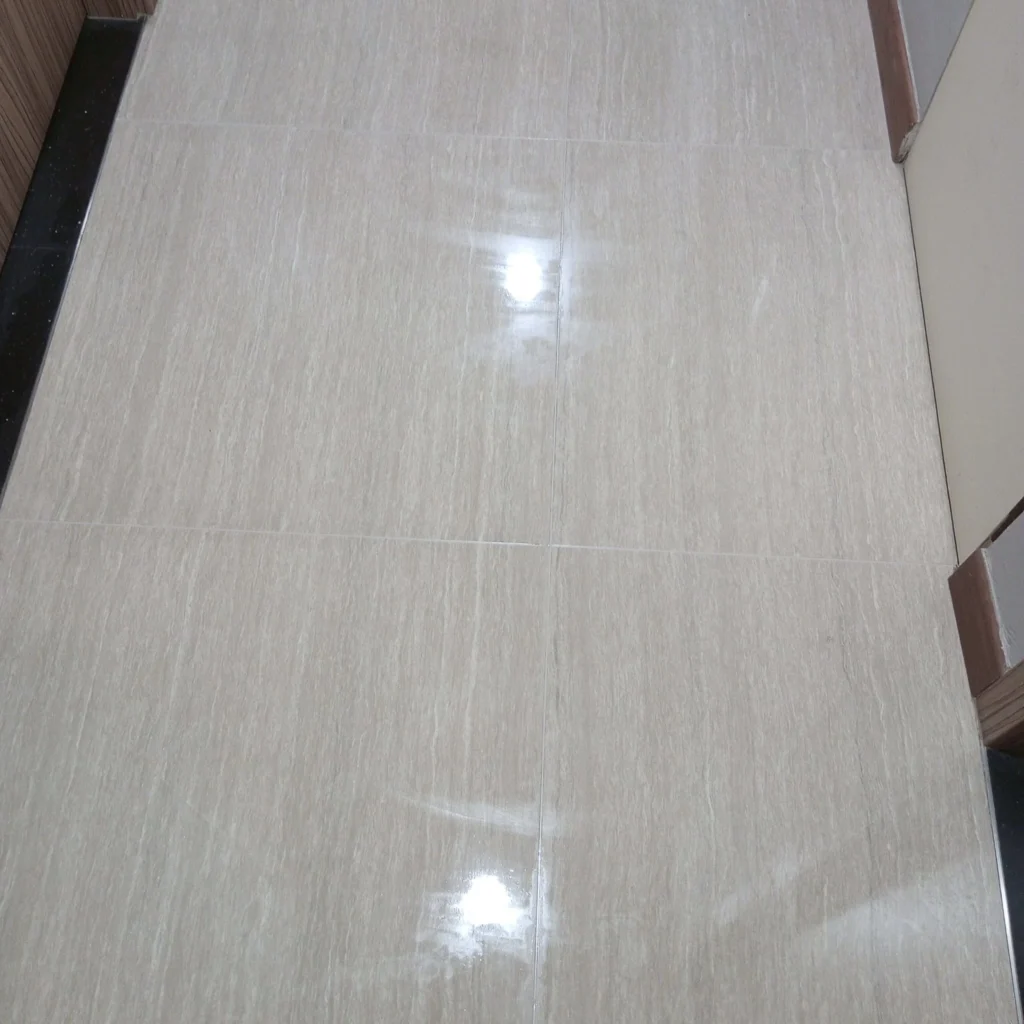
The cost of epoxy grouting depends on the size and condition of the tiled area, the amount of preparation required and the type of grout selected.
There is no single price that applies to every HDB bathroom, condominium toilet or commercial property.
Size of the Tiled Area
Larger areas generally require more grout and more labour.
However, the cost also depends on the number of joints, the tile dimensions and the amount of old grout that needs to be removed.
Condition of the Existing Grout
Grout that is loose, cracked or heavily deteriorated may require more preparation.
If the tiles are damaged or unstable, additional repair work may be necessary before regrouting can begin.
Tile Size and Joint Width
Tile dimensions and joint width affect how much grout is needed.
Smaller tiles often have more joints across the same floor area. Wider or deeper joints may also require more material, depending on the tile and grout specifications.
Access and Preparation Requirements
The layout and condition of the site can affect the time needed to complete the work.
For example, a confined bathroom, textured tile surface or heavily contaminated joint may require extra care during preparation and cleaning.
Type and Quantity of Epoxy Grout
Different products have different prices, performance characteristics and application requirements.
A suitable product should be selected according to the tile material, joint width, exposure and intended use.
For an accurate quotation, arrange an inspection or provide clear photographs of the tiled area, its condition and the approximate dimensions.
How Do You Maintain Epoxy Grout After Installation?
Proper maintenance helps preserve the appearance of epoxy grout and the surrounding tiled surface.
Although epoxy grout is resistant to many stains, regular cleaning and inspection remain important.
Clean Tiles with Suitable Cleaning Products
Use a cleaner approved for the grout and tile materials.
Regular cleaning helps remove soap deposits, dirt and other contaminants before they build up.
Avoid assuming that every household cleaning product is suitable for epoxy grout or natural stone.
Avoid Incompatible Harsh Chemicals
Strong chemicals and abrasive cleaning tools may damage certain tile finishes, nearby sealants or other materials.
Follow the product manufacturer’s cleaning guidance and test a suitable cleaner on an inconspicuous area when appropriate.
Check for Cracks, Loose Tiles and Damaged Sealant
Inspect the tiled surface periodically for cracked joints, loose tiles and damaged sealant.
If new cracks appear, investigate the cause instead of simply covering the affected area with more grout.
Some changes may indicate movement or a problem that requires repair.
Keep Wet Areas Clean and Properly Ventilated
Good ventilation helps reduce persistent moisture in bathrooms and other wet areas.
Clean surfaces regularly and address plumbing leaks or standing water promptly.
Even when epoxy grout is used, proper ventilation and maintenance are important for the overall condition of the tiled space.
Frequently Asked Questions About Epoxy Grouting
How Does Epoxy Grouting Work?
Epoxy grouting fills the gaps between tiles with a resin-based material. The resin and hardener react to form a dense grout joint that offers low water absorption and good resistance to many stains. Proper preparation, application, cleaning and curing are essential.
Is Epoxy Grout Waterproof?
Epoxy grout generally has very low water absorption and is highly water-resistant. However, it does not make an entire bathroom or tiled floor waterproof. A sound waterproofing system, properly treated joints and suitable sealants are still important.
Is Epoxy Grout Better Than Cement Grout?
Epoxy grout generally performs better in stain resistance and chemical resistance, but it is usually more expensive and requires careful installation. Cement grout may be sufficient for many residential applications. The best option depends on the location, tile type, maintenance needs and budget.
Can Epoxy Grout Be Applied Over Old Grout?
It depends on the existing grout’s condition and the selected product’s instructions. In many regrouting projects, the old grout must be removed to a suitable depth before the new material is installed. Applying epoxy grout over loose, dirty or deteriorating grout may result in poor performance.
Does Epoxy Grouting Require Tile Hacking?
Not always. If the tiles are stable and the problem is limited to the grout, the contractor may be able to remove the old grout and replace it without removing the tiles. Hacking or tile replacement may be necessary if the tiles are loose, damaged or affected by underlying problems.
How Long Does Epoxy Grout Last?
The service life depends on the product, installation quality, site conditions, maintenance and movement in the tiled surface. Properly installed epoxy grout can be durable, but no fixed lifespan can be guaranteed for every project.
Can Epoxy Grouting Fix a Leaking Bathroom?
Not necessarily. Regrouting may be suitable for deteriorated tile joints, but leakage caused by a failed waterproofing membrane, plumbing defect or other structural problem requires the appropriate repair. The source of the leak should be identified before deciding on a solution.
Is Epoxy Grouting Suitable for HDB Bathrooms?
It can be suitable for many HDB bathroom tile joints, provided the selected product is compatible with the tiles and site conditions. The contractor should inspect the existing grout, tile stability and any signs of water leakage before starting work.
How Long Should Epoxy Grout Cure Before the Area Gets Wet?
The waiting period depends on the grout product and site conditions. Some products require several days before full exposure to water or certain chemicals. Follow the manufacturer’s technical instructions and the contractor’s guidance before using or washing the area.
Get Professional Epoxy Grouting Services in Singapore
If your bathroom, kitchen or tiled floor has stained, cracked or deteriorating grout, professional epoxy grouting may be worth considering.
The right solution starts with checking the condition of the tiles and existing joints. A suitable contractor can assess the affected area, explain the preparation required and recommend a grout product based on the property’s needs.
For HDB flats, condominiums, landed properties and commercial premises in Singapore, proper installation is important for achieving a neat finish and reliable performance.
Need help with your tile grout? Contact a professional epoxy grouting contractor in Singapore to arrange an assessment and request a quotation. Before proceeding, confirm what the service includes, whether old grout removal is required, which product will be used and how long the area must remain unused after installation.
Choosing the right grout and installing it correctly can help keep your tiled surfaces cleaner, easier to maintain and in better condition for everyday use.